佳佳香短视频
首页
电影
电视剧
综艺
动漫
更多
短剧
专题
明星
资讯
排行
视频
排行榜
视频
搜索历史
删除
热门搜索
播放记录
搜索
视频
视频
播放记录
本地记录
清空记录
查看更多
首页
电影
电视剧
综艺
动漫
短剧
专题
明星
资讯
排行榜
播放记录
本地记录
云端记录
清空记录
查看更多
优质精选
小编精选优质好内容
警告:请不要相信视频中的广告!谨防受骗!视频广告与本站无关!
影视排行
优质精选
最新更新
资讯排行
热映星榜
正片
新干线爆炸案
冲田哲男因为事业的不顺失去了一切,妻子和儿子亦选择了弃他而去,心中愤愤不平的哲男找到了好友古贺胜与大城浩一,三人相互鼓劲想要自力更生,哪知道大城浩一在工作中受了重伤无钱医治,无奈之下,哲男和古贺胜制作了及其危险的炸弹,并将炸弹偷偷安放在了新干线光号109次客车的2号车厢之中。一切工作完成之后,冲田哲男联系了新干线管理中心,以全车乘客的性命为筹码,向对方敲诈巨额赎金,如果不能满足其要求,他便会在半个小时之后引爆炸弹。得知此事的乘客们瞬间陷入了混乱之中,其中一名孕妇更是出现了难产症状,急需就医。在列车长青木和新干线管理局局长的里应外合之下,哲男最终落入了法网,乘客亦安全抵达目的地。
已完结
心灵旅程
蒂亚(Gloria Popata 饰)是一名正处在叛逆期的少女,某日,在和家人大吵一架后,愤怒的蒂亚选择了离家出走,哪知道在途中遭遇了车祸。无处可去的蒂亚住进了和她一同遭遇车祸的威尔(大卫·艾略特 David Elliot 饰)、唐娜(彻尔茜·普利斯顿-凯瑞佛特 Chelsie Preston-Crayford 饰)夫妻两人的家中。 威尔的侄女因为车祸而失去了自己的父亲,这让这个可怜的孩子陷入了悲痛和绝望之中。善良的蒂亚耐心的陪伴和照顾着女孩,渐渐的,女孩走出了阴云之中。但随着时间的推移,当蒂亚和威尔一家人之间的关系越来越密切的同时,埋藏在这个家庭里的问题也渐渐的浮出了水面。
HD
九个女仔一只鬼粤语
生于贫苦家庭的陈建伟苦学成才成为公司高层,他也因年轻得志而变得恃才傲物,其冷傲苛刻的为人处事方式遭人排斥。一次交通意外让伟英年早逝,不甘心就此离开人间的他不愿意赴阴间报到,灵魂附在他生前驾驶的车上不愿离开。不过,他的灵魂已经完全失去生前的记忆,他已不记得自己到底是谁。中学女子篮球队队长嘉嘉骗老爸说自己赢得了篮球比赛的胜利,她与哥哥Evans因此得到伟寄身的汽车作奖励。嘉嘉属于无牌驾驶,一次外出途中车辆不受控制,但却自行停下,她既惊恐又疑惑。后来嘉嘉的哥哥Evans发现了其中的秘密,知道伟的灵魂依附在这辆车内。伟请求嘉嘉帮助他寻回记忆,并答应帮助她以赢得球赛作为交换...
首部海归回农村网大
洋炮进村【废】
海归回到自己的家乡为了改变家乡面貌 ,当选族长励志让村里百姓富裕起来的励志搞笑青春喜剧。
HD中字|国语
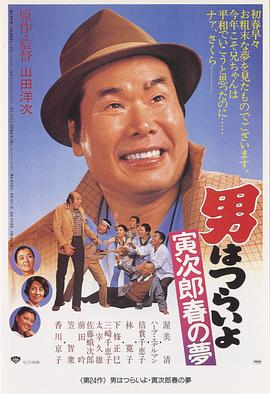
寅次郎的故事24:寅次郎春之梦
麦克(赫布·埃德尔曼 Herb Edelman 饰)是从美国远赴日本的推销员,他所售卖的产品是维他命。然而,销售状况似乎并不像麦克所设想的那么好,很快,麦克就花光了带去的钱,即将面临流落街头的窘境。此时,麦克遇见了善良的樱花(倍赏千惠子 饰),樱花收留了无处可去的迈克,将哥哥寅次郎(渥美清 饰)的屋子借给麦克住。 寅次郎对于这件事情当然感到非常的不满,他想方设法的捉弄麦克,想要这个外国人当众出丑。麦克非常感谢樱花的帮助,他用自己的方式对樱花表示了感谢,哪知道这种方式在寅次郎和樱花看来,是一种侵犯。麦克要回国了,他带走了樱花的一张照片,实际上,他早已经爱上了这个善良的姑娘。
HD
超级名模合集第二部
《超级名模2》的故事发生在第一部的10年之后,故事发生地在罗马。当年的名模祖兰德(本·斯蒂勒饰)和汉塞尔(欧文·威尔逊饰)已经被人遗忘,他们不得不重新奋斗,上演一段搞笑之旅。
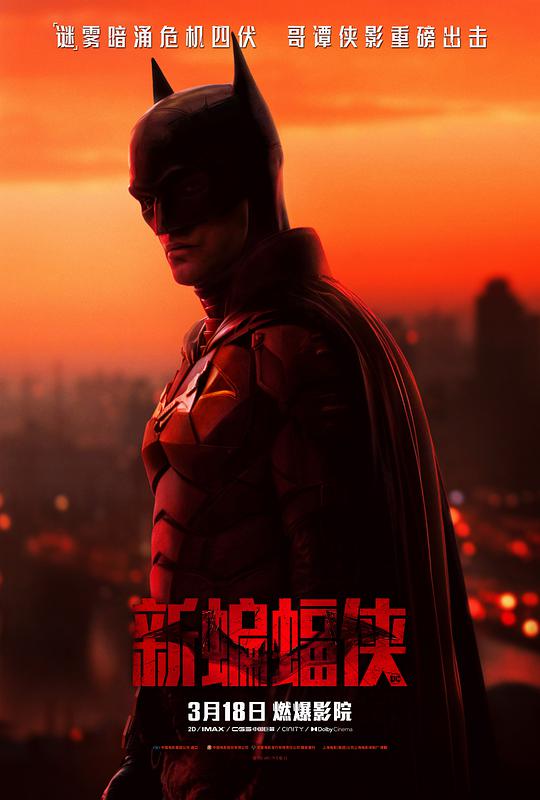
新蝙蝠侠
布鲁斯·韦恩(罗伯特·帕丁森饰)化身蝙蝠侠于哥谭市行侠仗义两年后,罪犯皆闻风丧胆,他也因此深入接触到哥谭市的阴暗面。他潜行于哥谭市腐败的政要名流关系网中,身边仅有的几个值得信赖的盟友——管家阿尔弗雷德·潘尼沃斯(安迪·瑟金斯饰)与詹姆斯·戈登警长(杰弗里·怀特饰)。这位独行的“义警侠探”在哥谭市民心中已成为“复仇”二字最当仁不让的代名词。
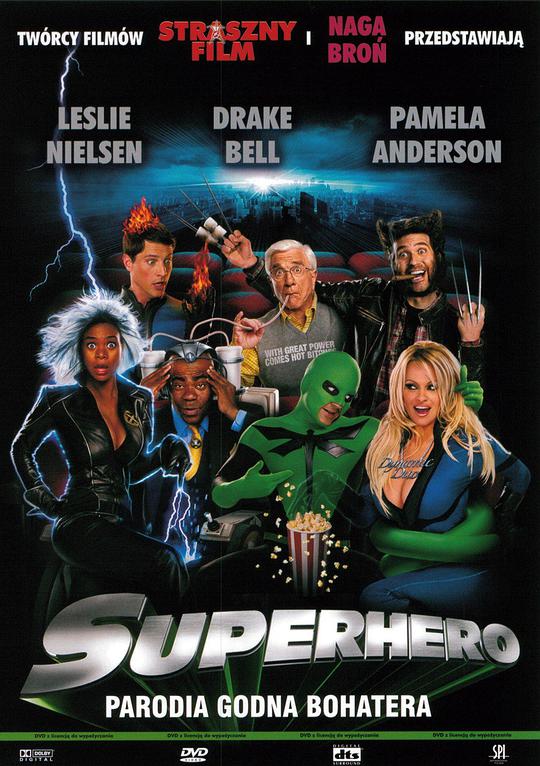
超级英雄
和叔叔婶婶一起生活的瑞克(德雷克•贝尔DrakeBell饰)算得上是一个标准的失意路人甲了,他暗恋同班的邻家美女吉尔(萨拉•帕克斯顿SaraPaxton饰),但在吉尔狂妄的男友兰斯面前却感到自己毫无机会。在班级旅行中,瑞克一班人参观了动物基因实验室,擅于把所有事情搞砸的瑞克被经过基因改造的蜻蜓咬啮,从此拥有了超人的能力:不死之身外加具有吸附力的身体。与此同时,兰斯的叔叔兰德斯(克里斯托弗•麦克唐纳ChristopherMcDonald饰)掌控的医疗中心正在加紧研制人类基因改造技术,罹患绝症的兰德斯借助该技术令自己获得新生,但代价是吸取别人的生命才能维系自身存活。瑞克经历了超人学院后勉为其难开始了自己的城市英雄生涯,他与代号“沙漏”的恶徒兰德斯之间必有一战……
已完结
警局无贼
小贼周吉祥和师傅偷了一件宝贝,师傅因此而丧命。师傅临终前叮嘱她要保护好那件宝贝。不久,周吉祥也被警察抓获,她把宝贝藏在破庙里的佛像下边,侥幸逃过警察的搜寻。 周吉祥被判入狱两年,出狱后她第一件事就是去找回宝贝,可是到了那座破庙才发现,那里早已经变成了警察局。吉祥诚惶诚恐地进了警察局,想一探究竟,没想到这里只有三个警察加一个局长,吉祥阴差阳错地混进警局当了警察,她还惊喜地发现:宝贝还在原处。 在警局里,吉祥和大家处成了朋友,并且喜欢上了警察孔有礼。 那么,师傅让吉祥保护的东西到底是什么?日寇横行的年代里,这件宝贝还会经历什么波折?吉祥和孔有礼这对有情人能否终成眷属?
HD中字
假死新人生
大卫·斯佩德扮演一位生活中并不很得意的银行职员,一次聚会中他偶遇高中时期好友Max(亚当·桑德勒 饰),Max自称目前任职于美国联邦调查局(FBI),二人经过一系列疯狂派对后,又伪造了假死亡,踏上了全新的冒险之旅。
共147211条数据,当前12177/14722页
首页
上一页
12175
12176
12177
12178
12179
下一页
尾页
账号
登录
注册
*
*
登录
注册
还没有账号?去
注册
登录
APK
IOS