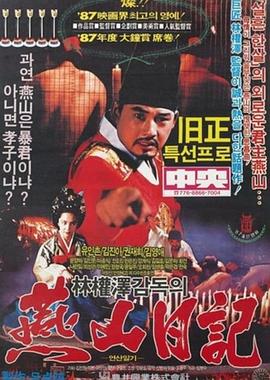
성종의 뒤를 이어 등극한 조선조 10대 연산은 즉위 3개월 만에 접한 생모 폐비에 대한 역사 기록으로 본능적 모성욕구에 갈등한다. 연산은 즉위 4년에 무오사화를 계기로 군주로서의 자신과, 의와 효 사이에서 방황하는 개인으로서의 위상이 무시로 혼합됨을 괴로워한다. 모성에 대한 욕구는 연산의 내외면의 지배의식이 되어 장녹수를 비롯한 총녀들의 편애로 나타난다. 그리하여 정사는 뒷전에 밀리게 되고, 결국 즉위 10년 만에 갑자사화라는 일대의 참화를 겪게 된다. 황폐의 극대점에 이르자 뜻있는 대신들에 의해 진성이 왕으로 옹립되고, 연산은 2개월 후 교동에서 파란 많은 인생을 마감한다. 在朝鲜时代成宗的脚步deunggeukhan操作10次冲突本能地渴望母爱为母亲pyebi面临加冕3个月历史纪录。操作是受灾个人的阶段在他们之间和漂移,与作为君主之际万无一失和解加冕4年混合忽视的影响。对产妇的渴望成为算术内外的统治意识,并表现为祖母和祖母的偏爱。因此,正义被推向了轨道,经过10年的提升,它遭受了全世界的破坏。当它达到最大的荒凉点时,真正的自然被有意义的祖先提升为国王,算术在两个月后结束了在京东的很多生活。
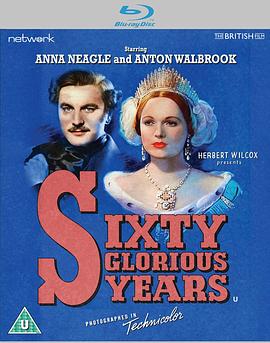
Sixty Glorious Years is an exercise in the creation of iconography, both for Victoria and its star, Anna Neagle (who subsequently became known as 'Regal Neagle'). Just as Elizabeth I commissioned artists to create flattering iconic images for public consumption, so this film performs a similar function, for Neagle is more beautiful than the real life Victoria. Controversial events (such as the 'Irish problem') are omitted and unpleasant aspects of Victoria's character (her petulance, arrogance, favouritism and 'right to privilege') are glossed over as endearing little 'whims'. Albert acts as a moderating influence when she goes too far.
The film followed a year after the highly successful Victoria the Great (d. Herbert Wilcox, 1937). Again the screenplay is by Miles Malleson and Robert Vansittart, and many of the supporting cast (the cream of acting talent of period) repeat their roles, this time for the colour cameras. This was the first full length Technicolor film of cinematographer Freddie Young, who captures the spectacle of royal weddings, grand balls and opulent interiors, with scenes actually filmed at royal palaces. Vivid battle scenes, set in Alexander Korda's empire territory (Sevastopol and the Sudan), rival those in The Four Feathers (d. Zoltan Korda 1939).
The title music sets the tone: a regal choir sings over a shot of the crown. Elgar's 1901 'Pomp and Circumstance' march is heard during the diamond jubilee celebrations and, as Victoria's coffin lies in state, the film concludes with Anthony Collins' stately music accompanied by the text of Rudyard Kipling's 'Lest we forget'. Combined with the emotional appeal of scenes of Victoria connecting with her 'ordinary folk', this is stirring stuff.
The film connects with contemporary events of 1938. The release of two celebratory royal films was intended to boost public affection for the monarchy in the wake of Edward VIII's abdication. Anglo-German relations were another touchy subject. With another war on the horizon, influential voices wanted appeasement, and the film could be seen to fit that agenda. Victoria herself was of mainly German descent, nicknamed 'the grandmother of Europe', while Albert is a 'good German', charmingly played by Anton Walbrook as a cultured, decent man.
Sixty Glorious Years now seems unduly formal and reverential. Had movies existed during Victoria's reign (they only emerged at the end) this might have been the kind of film produced. Unlike Mrs Brown (d. John Madden, 1997), it is all so very 'Victorian'.
Roger Philip Mellor