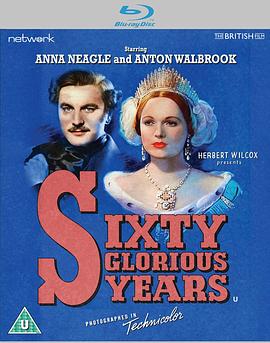
Sixty Glorious Years is an exercise in the creation of iconography, both for Victoria and its star, Anna Neagle (who subsequently became known as 'Regal Neagle'). Just as Elizabeth I commissioned artists to create flattering iconic images for public consumption, so this film performs a similar function, for Neagle is more beautiful than the real life Victoria. Controversial events (such as the 'Irish problem') are omitted and unpleasant aspects of Victoria's character (her petulance, arrogance, favouritism and 'right to privilege') are glossed over as endearing little 'whims'. Albert acts as a moderating influence when she goes too far.
The film followed a year after the highly successful Victoria the Great (d. Herbert Wilcox, 1937). Again the screenplay is by Miles Malleson and Robert Vansittart, and many of the supporting cast (the cream of acting talent of period) repeat their roles, this time for the colour cameras. This was the first full length Technicolor film of cinematographer Freddie Young, who captures the spectacle of royal weddings, grand balls and opulent interiors, with scenes actually filmed at royal palaces. Vivid battle scenes, set in Alexander Korda's empire territory (Sevastopol and the Sudan), rival those in The Four Feathers (d. Zoltan Korda 1939).
The title music sets the tone: a regal choir sings over a shot of the crown. Elgar's 1901 'Pomp and Circumstance' march is heard during the diamond jubilee celebrations and, as Victoria's coffin lies in state, the film concludes with Anthony Collins' stately music accompanied by the text of Rudyard Kipling's 'Lest we forget'. Combined with the emotional appeal of scenes of Victoria connecting with her 'ordinary folk', this is stirring stuff.
The film connects with contemporary events of 1938. The release of two celebratory royal films was intended to boost public affection for the monarchy in the wake of Edward VIII's abdication. Anglo-German relations were another touchy subject. With another war on the horizon, influential voices wanted appeasement, and the film could be seen to fit that agenda. Victoria herself was of mainly German descent, nicknamed 'the grandmother of Europe', while Albert is a 'good German', charmingly played by Anton Walbrook as a cultured, decent man.
Sixty Glorious Years now seems unduly formal and reverential. Had movies existed during Victoria's reign (they only emerged at the end) this might have been the kind of film produced. Unlike Mrs Brown (d. John Madden, 1997), it is all so very 'Victorian'.
Roger Philip Mellor
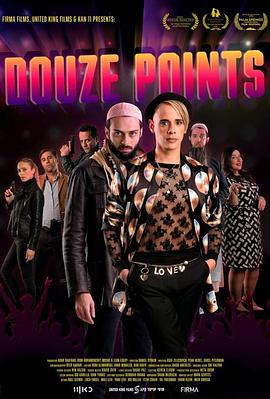
TJ, a proud, gay Muslim singer fulfilling his dream to represent France in Europe’s biggest song contest. ISIS decides to plant one of their operatives, acting as TJ’s boyfriend, into the French delegation in order to set off an explosion under the stage during the final performance of the event in Tel Aviv. The Israeli Mossad does know about the planned attack and they put their toughest, most experienced team into the contest in order to prevent a major catastrophe.
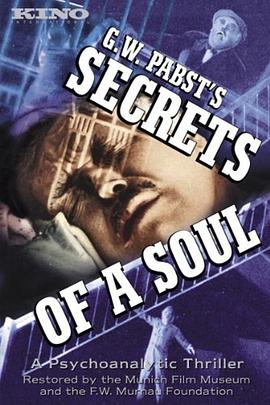
帕布斯特的《一个灵魂的秘密》(Geheimnisse einer Seele, 1926)是第一部在电影叙事中严肃地尝试使用新弗洛伊德学派精神分析原理的影片。渴望使用科学方法解决心理问题,使得《一个灵魂的秘密》成为新客观派的另一种变体。这部影片实际上是一个案例研究,一个看似普通的男人,患上了一种刀具恐惧症,他试图从一个精神分析学家那里得到治疗。尽管影片对精神分析的描述太过简单,但一些表现主义风格的梦境段落给影片增添相当多的趣味。
(波德维尔等《世界电影史》第2版,第154—155页。)