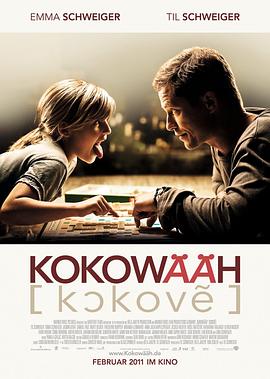
怀才不遇的编剧的亨利(蒂尔·施威格 Til Schweiger饰)本来过着放荡不羁的单身生活,可却被一个相貌可爱古灵精怪的八岁女孩儿玛德莲娜(爱玛·施威格 Emma Schweiger饰)打破,还自称是他的女儿。半路杀出的“女儿”原来是八年前一夜情的结晶,毫无经验的亨利只能硬着头皮照料这位天降“女儿”。与此同时,亨利接到一桩改编畅销小说的大案子,跟他共同执笔的竟然是旧情人凯萨琳娜(雅斯明·格拉特 Jasmin Gerat饰)。亨利本想趁此良机追回最爱,可是调皮的玛德莲娜夹在中间,闹出了一连串啼笑皆非却温情满满的小插曲。 亨利能否用拿手菜“红酒烩鸡”赢得小“女儿”的喜爱,又是否能复燃这段来之不易的爱情呢? 本片荣获2011德国电影年度卖座冠军。
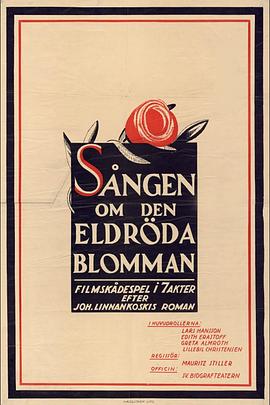
“Sangen Om Den Eldröda Blomman” ( “Song Of The Scarlet Flower” ) was a recent and remarkable silent surprise for this Herr Von; the oeuvre is an excellent Herr Stiller silent film that this German count watched in a newly restored and tinted copy. It combines the well-known aesthetics, technical improvements and artistic merits for which the Nordic director was known and praised since those early silent times till today.
The film tells of the merry and carefree love life of young Olof ( Herr Lars Hanson ) a woodsman who during his search for true love, seduces many frauleins ( just like this German aristocrat… well, not exactly because the purpose of this Herr Von’s seduction of rich fräulein heiresses are their great fortunes… ). He will suffer disappointment and deception, all those problems that turn up in any loving relationship. Finally he will find responsibility and maturity, learning during his particular quest that his actions always have consequences in different degrees to the people around him. This Herr Von can describe “Sangen Om…” as a kind of coming of age film, the special introspective growth toward maturity of a free and easy youngster.
As this German count said before, the film displays Stiller’s characteristic artistic virtues. ; in the first part of the film, we can see elements of comedy, not exactly like the comedy of intrigues in other Stiller films, but humor of a more cheerful sort, highlighting the self-involvement of our hero. Olof ‘s frivolous flirtations with the different girls eventually turn romantic and then turn into drama. There is conflict in the troubled relationship between Olof and his father and later with the father of his beloved. The beautiful and wild natural landscapes of Norrland and northern Sweden lend the tale a certain power and is characteristic of Herr Stiller’s other silents where Nature emerges as an important character in the story. This is strongly reflected throughout the film but especially during the frantic scene wherein Olof descends into the troubled waters of a river, a beautiful metaphor for the hardships that our hero has to endure until he finds himself.
“Sangen Om Den Eldröda Blomman” is an excellent, beautiful film, a solid, technically perfect and intricate production of 1919 that demonstrates once again the importance of Herr Stiller for silent film history.