Die BRD in den 70er Jahren. Über die heitere Anarchie kommt Rita Vogt zum Terrorismus, verführt durch ihren Gerechtigkeitssinn und durch die Liebe zu Andi. Als sie das Scheitern der Bewegung erkennt, taucht sie in der DDR unter. Mit Hilfe der Staatsicherheit, personifiziert in Erwin Hull, beginnt für sie dort unter anderem Namen eine neue Existenz.
Rita führt sozusagen das normale Leben der Arbeiterklasse. Sie will ankommen, während ihre junge Kollegin Tatjana weg will, in den Westen. Zwischen beiden beginnt eine Freundschaft, der eine Fahndungsmeldung im Westfernsehen ein abruptes Ende setzt. Wieder muss Rita untertauchen. Mit einem neuen Namen in einer neuen Stadt scheint sie mehr Glück zu haben.
Rita lernt im Urlaub den Studenten Jochen kennen. Er will sie mit nach Moskau nehmen. Doch dann wird Rita von ihrer Vergangenheit eingeholt, es ist das Jahr 1989 - die Mauer fällt, die DDR hört auf zu bestehen...
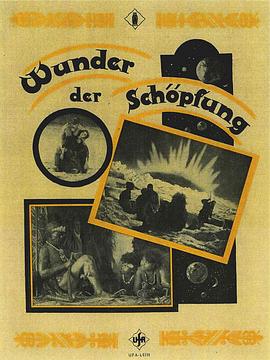
Wunder der Schöpfung is an extraordinary, fascinating Kulturfilm trying to explain the whole human knowledge of the 1920s about the world and the universe. 15 special effects experts and 9 cameramen were involved in the production of this film which combines documentary scenes, historical documents, fiction elements, animation scenes and educational impact. It its beautifully colored, using tinting and toning in a very elaborated way. Some visual ideas in the sequences with a space shuttle visiting different planets in the universe seem to have to be the inspiration for Stanley Kubrick's 2001: A Space Odyssey.
In the context of Germany's Kulturfilm phenomenon, Wunder der Schöpfung was among the greatest achievements of the 1920s. The production was constructed, rehearsed, and shot over a period of two and a half years, under the supervision of Hanns Walter Kornblum. The idea to describe the universe and man's place in it well suited UFA's Grossfilm mentality, one year before the Metropolis catastrophe. Hundreds of skilled craftsmen participated in the project, building props and constructing scale models drawn by 15 special effects draughtsmen, while 9 cameramen in separate units worked on the historical, documentary, fiction, animation, and science-fiction sequences. Without star roles or even protagonists, the film's plot is crowded with meticulously structured and skillfully acted single scenes an artful mosaic of small vignettes. No less than four credited university professors ensured the factual background behind the scientific and historical events portrayed.
The film's symbol of progress and the new scientific era is a spacecraft, travelling through the Milky Way, making all the planets and their inspiring worlds familiar to us, with the extravaganza of their distinctive features. The film's educational intentions, however, become steadily more obscure, humorous, or even campy as this popularization project proceeds. With the excuse of presenting the end of the world a not-so-new concept as a new, undeniably scientific truth, the film veers happily along a new path, displaying detailed apocalyptic scenes of the end of mankind. For today's audiences, this amazing film demonstrates how the universe was comprehended in the 1920s, and how that view was sold to contemporary audiences.